Brewed for filter, this one doesn't taste like coffee so much as it tastes like summer. The first cup we pulled had us reaching for a likeness that has no business on a cupping form: snow cone. Not "fruity." Not "juicy." Snow cone: the specific, artificial-adjacent sweetness of shaved ice and syrup, arriving fully formed and a little confusing. We've poured it a dozen times since, hoping to talk ourselves out of it. We haven't. And it's perfect.
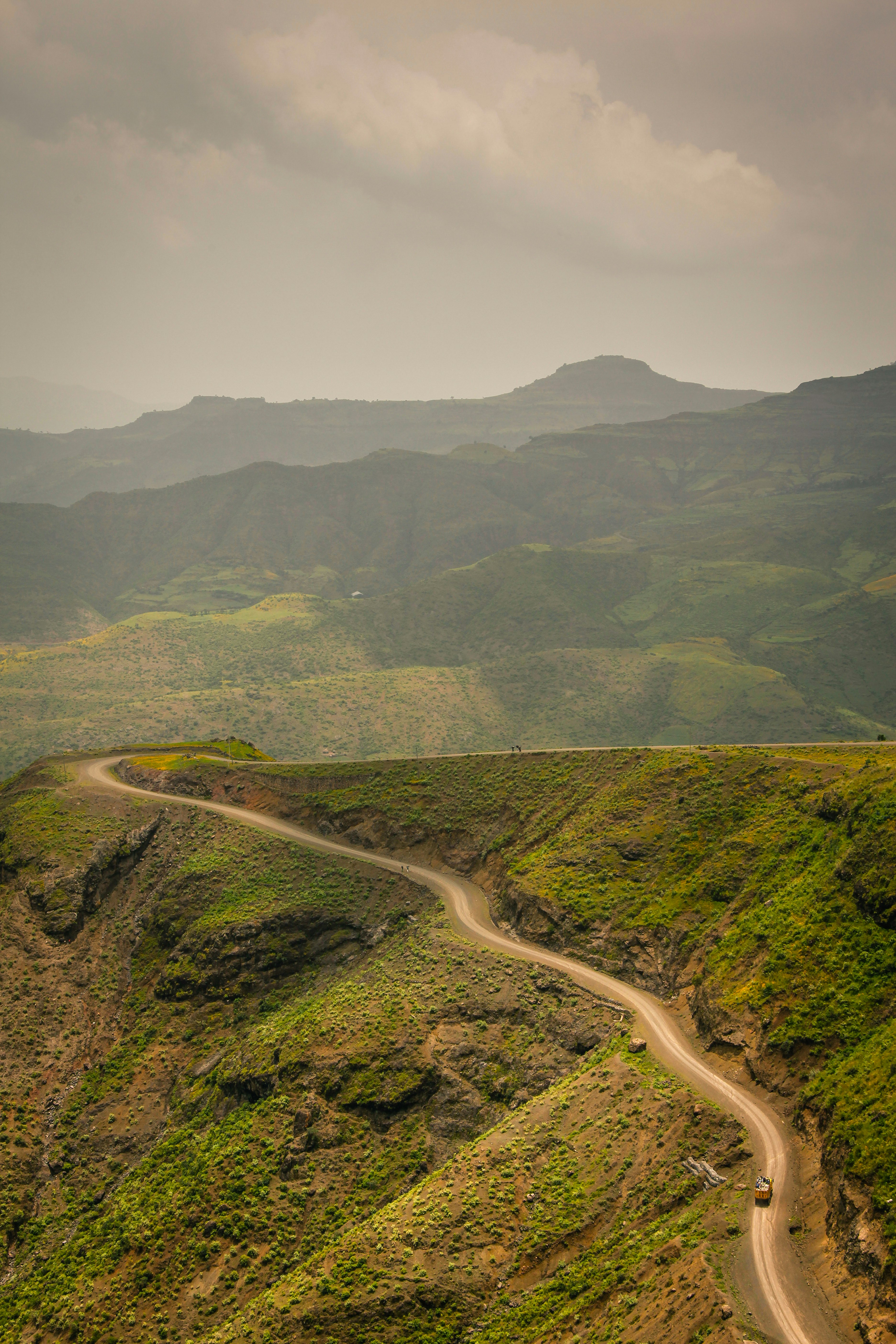
The coffee is Wush Wush, a native Ethiopian heirloom landrace discovered growing wild near the town it's named for, in the Keffa zone: the same region where Coffea arabica itself was first found growing wild. Decades later, seed material reached Colombia through the coffee research institute Cenicafé, and Wush Wush became known internationally as a Colombian specialty. This lot corrects the record. It was grown at 2,000 to 2,300 meters above sea level in Sama Village, Anasora, part of Ethiopia's Yirgacheffe growing region, not far from where the variety began.
The cherries were sorted to Grade 1 at Israel Degafa's washing station, then sealed in airtight bags and fermented for exactly 96 hours under Degafa's own protocol, checked continuously to keep the fermentation on schedule. He calls the method "alcoholic," a fair description of the character it leaves in the cup - if the cup were served by your local ice cream truck. After fermentation, the cherries dried slowly on raised beds in the sun, the traditional final step of a natural process, before making their way to us.
We procured 10lbs of this wonderful coffee as our first ever Wush Wush.
Further Reading
- Wild About Wush WushStandart Magazine
- Wush Wush: The Ethiopian Coffee Breaking Rules and Turning HeadsCoffee or Die